
Where Hippos Wander the Streets and Wilderness Meets the Indian Ocean
Most travelers hear “St Lucia” and immediately think of the Caribbean island. But ask any South African wildlife enthusiast, and they’ll tell you about a very different St Lucia—a small town nestled within iSimangaliso Wetland Park in KwaZulu-Natal, where Africa’s wilderness unfolds in spectacular fashion along the country’s eastern coast.
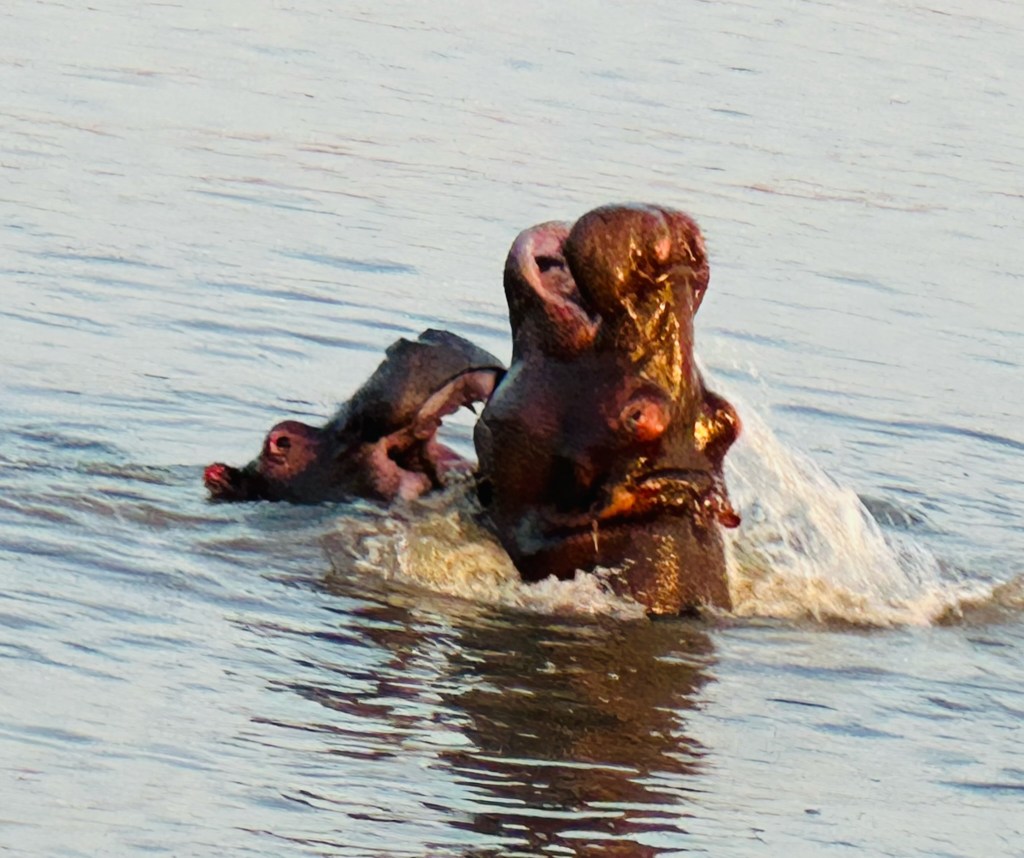
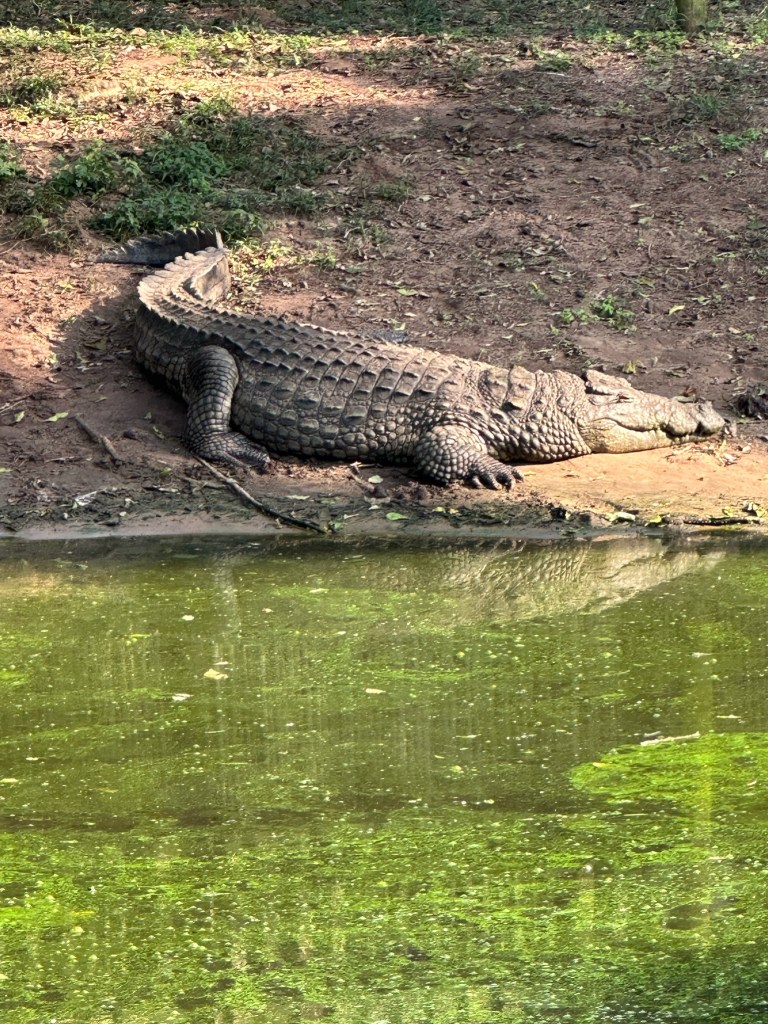
This is not your typical beach destination. This is where you might encounter a hippopotamus casually crossing the road on your evening stroll. Where crocodiles bask on riverbanks mere meters from town. Where the Indian Ocean’s turquoise waters meet pristine beaches backed by coastal forests teeming with wildlife. St Lucia offers something increasingly rare: genuine wilderness accessible from a charming, walkable town.
A UNESCO World Heritage Site You Can Actually Experience
iSimangaliso Wetland Park—which translates to “miracle and wonder” in Zulu—became South Africa’s first UNESCO World Heritage Site in 1999, and for good reason. This 332,000-hectare expanse protects five distinct ecosystems: coral reefs, beaches and dunes, lake systems, wetlands, and coastal forests. St Lucia town sits at the heart of it all, making it the perfect base for exploring this ecological wonderland.
Unlike many protected areas where you’re kept at arm’s length from nature, St Lucia invites you in. The town itself is unfenced, meaning wildlife moves freely through residential streets. It’s not uncommon to find hippos grazing on lawns at night or crocodiles sunning themselves near the estuary during the day. This isn’t a zoo or a safari park—it’s nature as it was meant to be, coexisting (mostly) peacefully with human habitation.
The Wildlife Experience: Beyond the Big Five
St Lucia offers wildlife encounters that even veteran safari-goers find unique. The estuary—South Africa’s largest—is home to over 800 hippos and 1,200 Nile crocodiles, the highest concentration on the continent. Evening boat cruises bring you within photography distance of these impressive creatures, along with fish eagles, kingfishers, and if you’re lucky, the rare African finfoot.
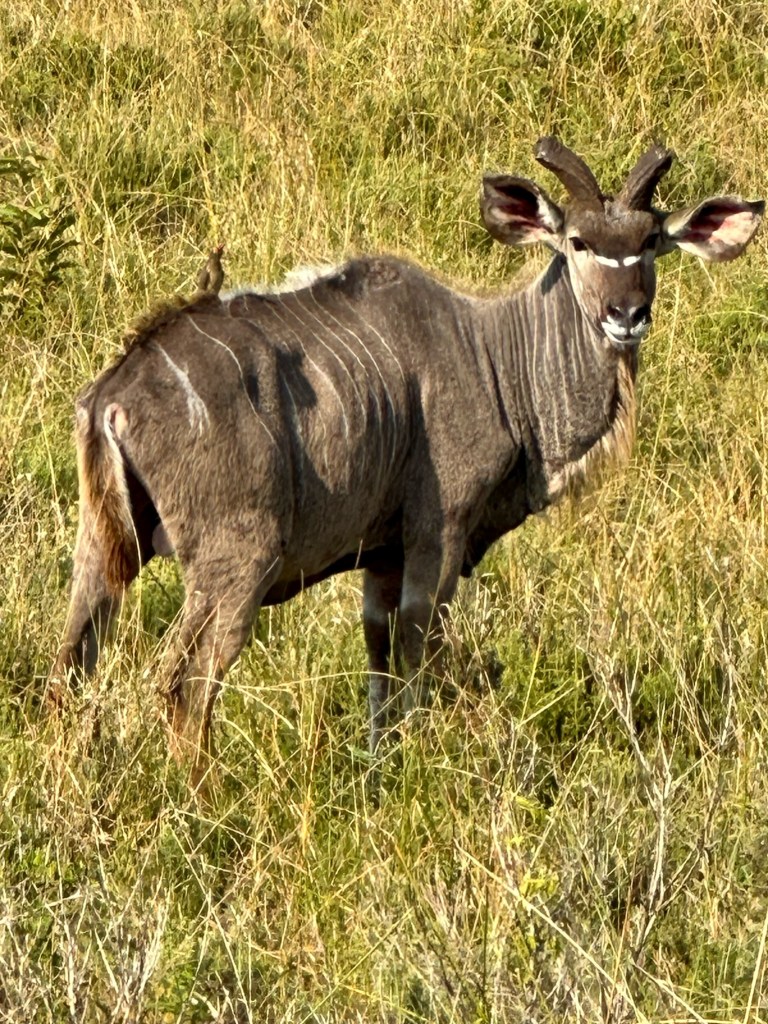
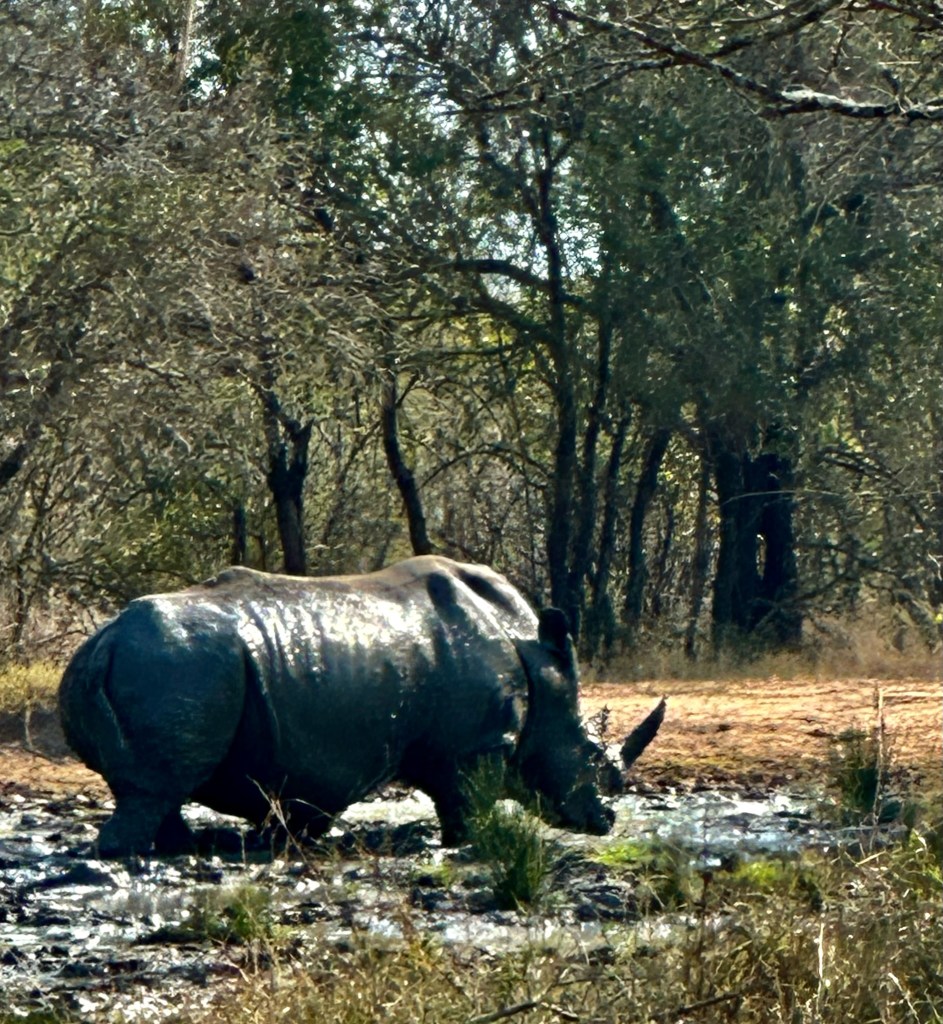
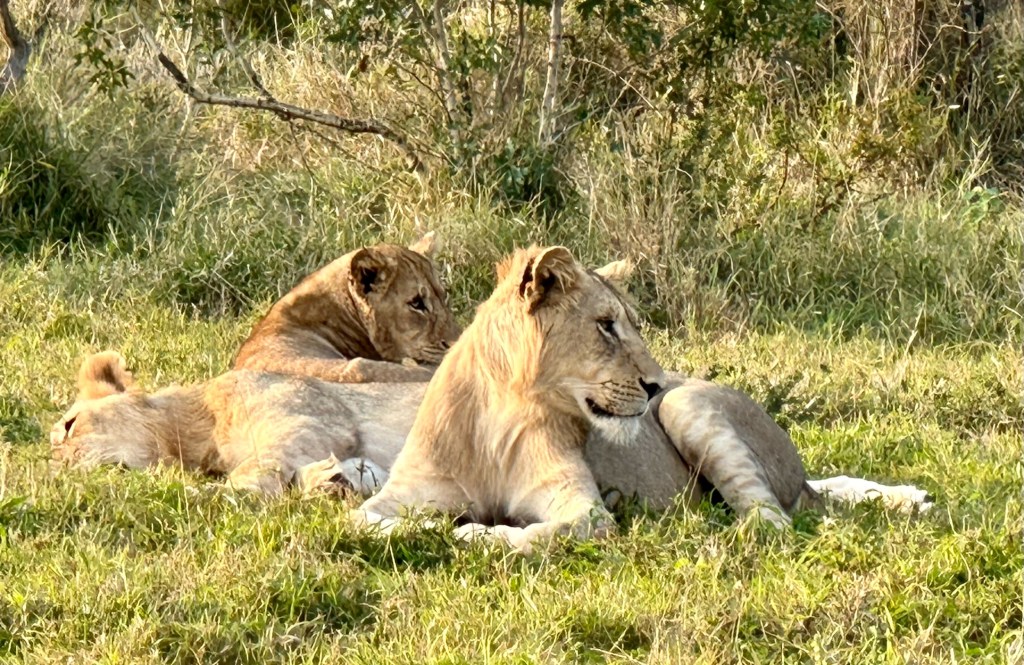
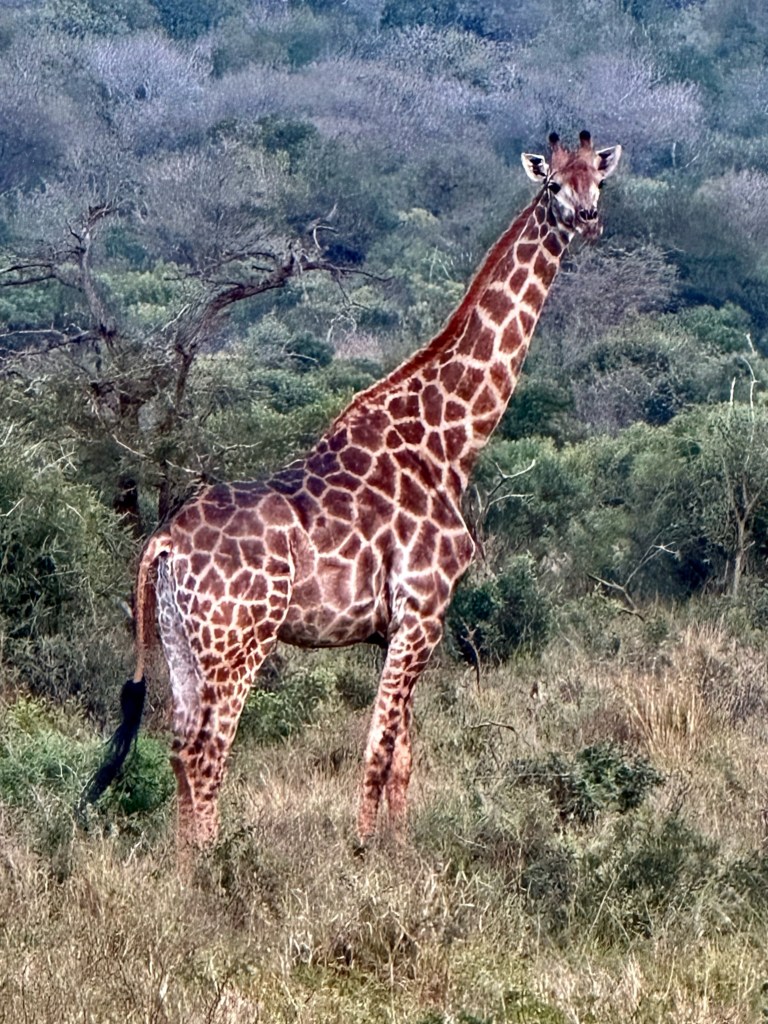
But the wildlife experience extends far beyond the water. The surrounding reserves offer traditional game drives where you might spot white rhino, buffalo, zebra, giraffe, and numerous antelope species. While lions and elephants were historically present, they’re currently being reintroduced to certain sections of the park—making this an exciting time to witness ecosystem restoration in action.
Birdwatchers should bring multiple memory cards. Over 520 bird species have been recorded in the area, from the tiny malachite kingfisher to the massive goliath heron. The diversity of habitats means you could see flamingos, fish eagles, and forest-dwelling turacos all in a single day.
Marine Encounters: Turtles, Dolphins, and Whales
The marine component of iSimangaliso is equally spectacular. Between November and February, loggerhead and leatherback turtles nest on these beaches—one of only two places in South Africa where this happens. Guided night tours allow you to witness these ancient mariners laying their eggs, a humbling experience that connects you to a cycle that’s been occurring for millions of years.
The warm Mozambique Current that flows down the coast brings nutrient-rich waters, attracting dolphins, humpback whales (June-November), and an incredible diversity of marine life. Snorkeling and diving in the protected waters reveal pristine coral reefs—the southernmost coral reefs in Africa—teeming with tropical fish species.
Adventures on Land and Water
St Lucia caters to every adventure level. Kayak the estuary for a peaceful morning paddle, keeping a respectful distance from hippos and crocodiles with your experienced guide. Take a sunset boat cruise for sundowners with a wildlife show. Join a night drive to spot nocturnal creatures—bushbabies, genets, and if you’re fortunate, leopards.
For the more adventurous, guided snorkeling trips explore Cape Vidal’s pristine reefs, where you might swim alongside turtles, rays, and colorful reef fish. Horseback riding along the beach offers a unique perspective, while mountain biking through coastal forests provides both exercise and wildlife spotting opportunities.
Don’t miss a walk to the lighthouse viewpoint or an early morning bird walk through the wetlands. Even a simple stroll through town after dinner becomes an adventure when you’re watching for hippos.
Practical Considerations for Your St Lucia Adventure
When to Visit:
- Summer (November-March): Hot and humid, turtle nesting season, lush vegetation, afternoon thunderstorms
- Winter (May-August): Mild days, cool nights, drier weather, whale watching, easier game viewing as vegetation is sparse
- Shoulder seasons: September-October and April offer the best balance of weather and wildlife
Safety Around Wildlife: St Lucia’s free-roaming wildlife requires respect and awareness:
- Never approach hippos or crocodiles
- Avoid walking alone at night (hippos graze in town after dark)
- Stay on marked paths in the reserves
- Follow your guide’s instructions during boat cruises and game drives
- Keep a respectful distance from all wildlife
Getting There: St Lucia is approximately 275km north of Durban (3.5-hour drive) and 160km south of the Mozambique border. Fly into OR Tambo International Airport in Johannesburg, South Africa. Charter a flight to Durban, South Africa and drive from there to St. Lucia.
The drive from Durban takes you through sugar cane plantations and rural Zulu homesteads, offering cultural context for your coastal adventure. Most visitors rent a car at King Shaka International Airport, though shuttle services are available.
What to Pack:
- Binoculars (essential for wildlife viewing)
- Insect repellent (especially summer months)
- Sun protection (the African sun is intense)
- Comfortable walking shoes
- Light layers (even summer nights can cool down)
- Waterproof bag for boat trips
- Camera with good zoom lens
Why St Lucia Deserves Your Time
In an age of manufactured tourism experiences, St Lucia offers something increasingly precious: authenticity. This isn’t a sanitized wildlife park or a resort masquerading as wilderness. It’s a real town in a real ecosystem where nature takes priority and humans are the guests.
You’ll wake to the sound of fish eagles calling across the estuary. You’ll check for hippos before leaving your accommodation at night. You’ll watch the sunrise over the Indian Ocean knowing that beyond those waves lie coral reefs older than human civilization. You’ll fall asleep to the grunts of hippos and the calls of night birds, reminded that you’re sleeping in the heart of wild Africa.
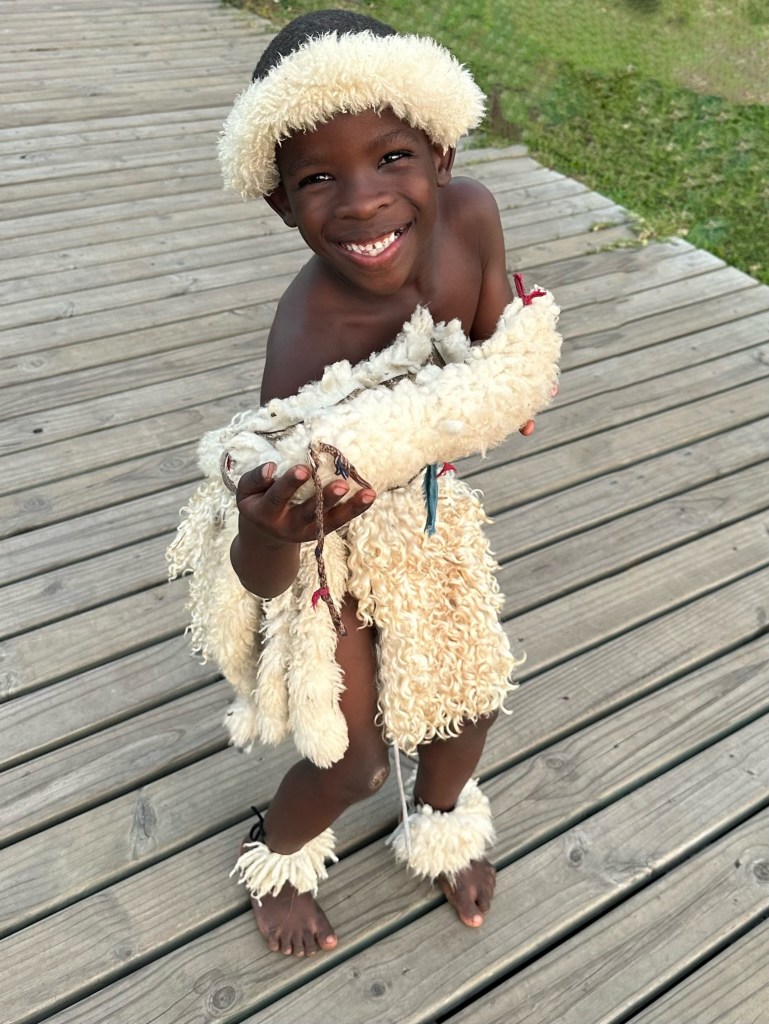
For travelers seeking genuine connection with nature, cultural authenticity, and wildlife experiences beyond the typical safari circuit, St Lucia in KwaZulu-Natal delivers in ways that few destinations can match.
Let Us Craft Your Perfect St Lucia Experience
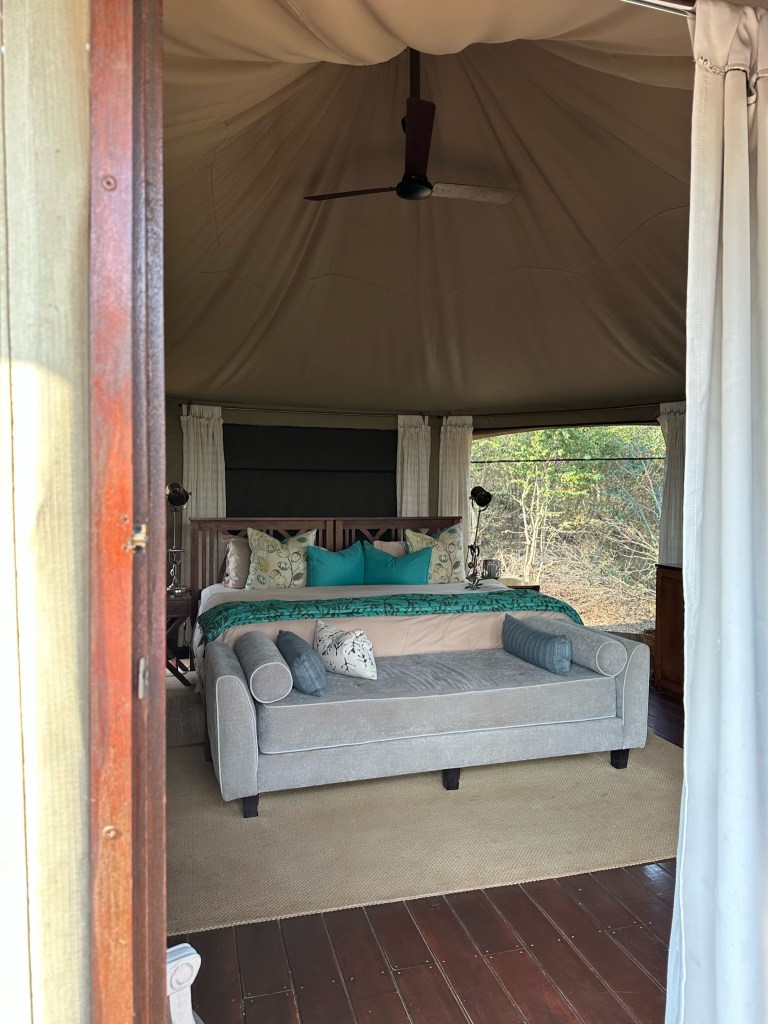
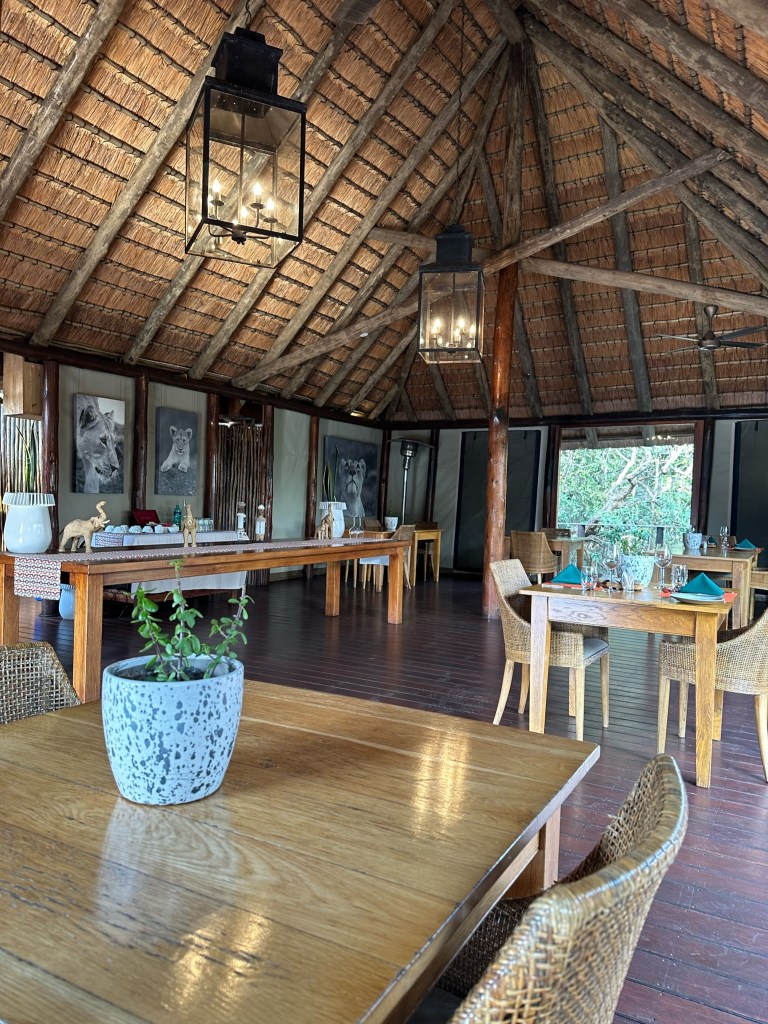
St Lucia rewards careful planning. From selecting accommodations that balance comfort with authentic wilderness experience to timing your visit for specific wildlife events, from booking the best guides to knowing which activities suit your interests and fitness level—the details matter.
At Meridian Global Travel, we specialize in creating personalized South African adventures that showcase destinations like St Lucia at their best. We’ll help you navigate the options, make the right bookings, and ensure you experience the “miracle and wonder” that gives iSimangaliso its name.
 Meridian Global Travel
Leave a comment